SINGTEX Group, Fabric Business Division, Asia Pacific Business Department, Manager Huang Yanling
Insights for Textile Professionals:
Since 1975, Bangladesh has been categorized as a Least Developed Country (LDC) by the United Nations, granting it duty-free access to most European countries, Japan, and other regions for exports. This has indirectly propelled Bangladesh to become the world’s second-largest exporter of ready-made garments, with the clothing industry accounting for over 80% of the country’s total exports. With over 4,500 garment factories nationwide, the sector employs more than 4 million people.
However, as Bangladesh’s economy steadily grows each year, it is expected to graduate from the LDC status by 2024, potentially resulting in the loss of current zero-tariff and zero-quota privileges.
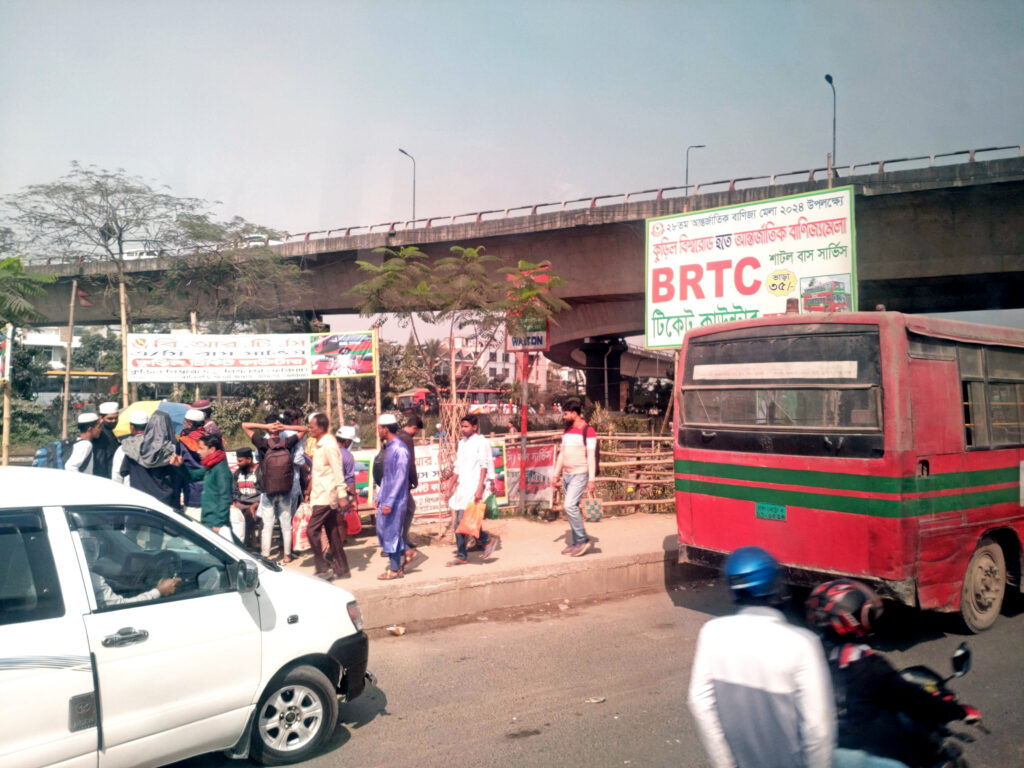
Returning to Bangladesh for the second time, one might find oneself accustomed to the ceaseless honking, littered streets, and thick smog of Dhaka, the capital. Yet, the sight of people relieving themselves by the roadside still shocks. The traffic congestion is relentless, with honking every few seconds. Dhaka, a city of over 12 million, grapples with inadequate infrastructure, scarcity of resources, and a surplus labor force, leading to stark wealth disparities and low labor costs. Sitting in a beautifully decorated conference room conducting meetings, one cannot ignore the slums visible through large windows. During meetings with guests, attendants linger nearby, ready to serve coffee, fruits, or handkerchiefs, forming what I humorously call the “coffee-bearer, fruit-bearer, and tissue-bearer trio.”
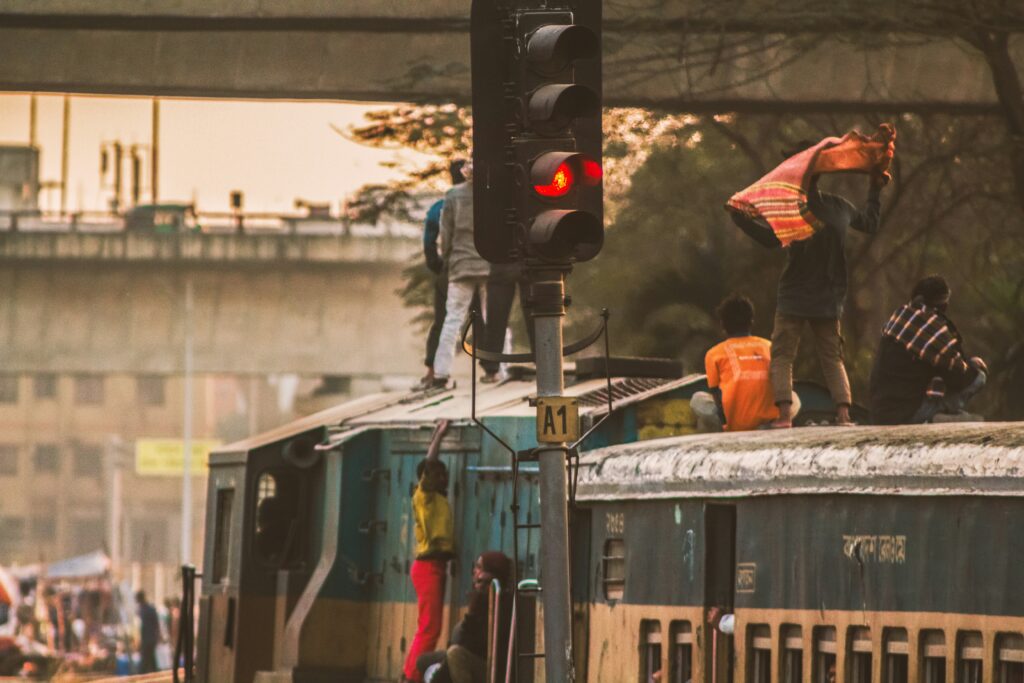
From the eyes of many, one can sense the relentless struggle for survival alongside a contentment and abundance in the present moment. As a visitor, there is no need for pity or charity; all one hopes for is to safely cross the road on the next visit (Note: Bangladesh lacks traffic lights). The profound impact of the local culture is palpable, bringing both freshness and shock.
Bangladesh Unveiled: /What You Might Not Know:
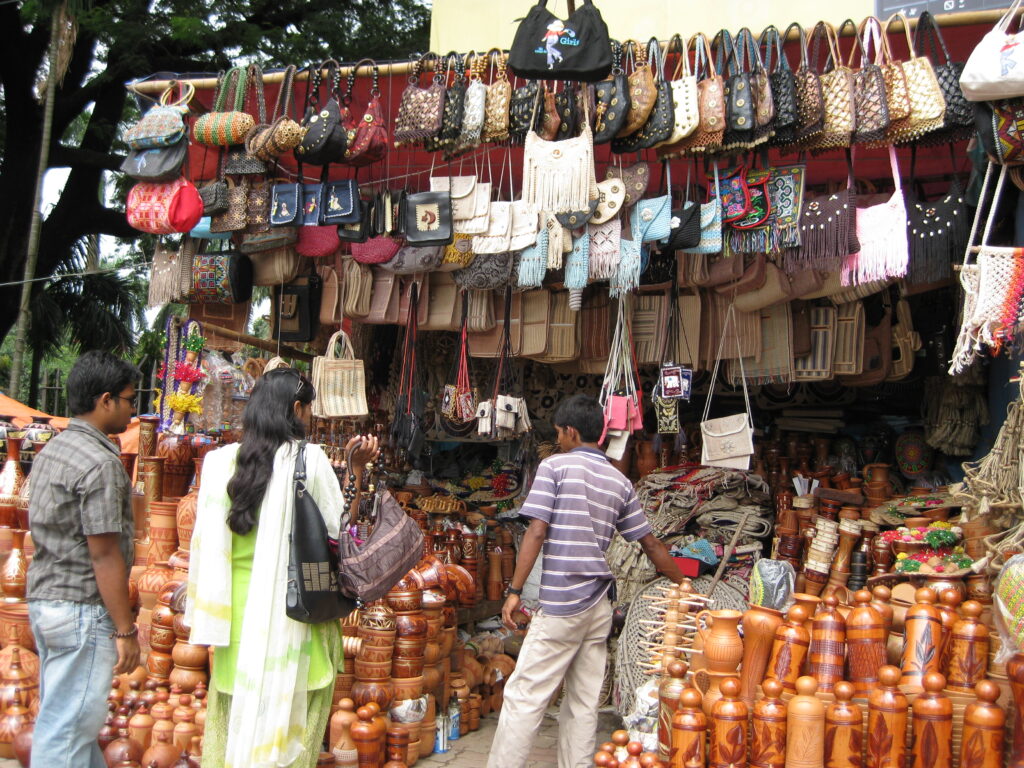
Shopping in the capital, Dhaka, now yields not plastic bags but beautiful non-woven fabric tote bags.
The Plastic Bag Debacle—Bangladesh, prone to flooding, experienced a major deluge in 1998, submerging two-thirds of its land, including Dhaka, which was considered flood-resistant. Unexpectedly, plastic bags clogged the waterways, delaying the water’s recession. In response, Bangladesh took action, starting with the ban of the most common 20-micron plastic bags in 2002. By March 2019, the production, sale, and use of thinner plastic bags were entirely prohibited.
Following the government’s policies and initiatives to ban plastic bags, various alternative measures were adopted:
1. Promoting jute packaging materials
2. Taxis transitioning to gas
3. Stores closing at 8 p.m.
Seeing beautiful jute products and various creative shopping bags replacing plastic ones in Bangladesh, one can’t help but realize that the pursuit of sustainable development knows no boundaries.