Wool Recycling Project: Implementing the Feasibility of Circularity
Columnist|Zoe Tsai, SINGTEX Integrated Marketing Design Center Marketing Strategist
Circular Regeneration Begins with Sweaters
Since its launch in 2022, the REFIT™ Sustainable Textiles Initiative has driven garment recycling at major marathon events, successfully collecting nearly three thousand donated garments from the public. This achievement prompts us to reflect: how can we help more people perceive the true value of textile recycling? And how can we transform this concept into tangible, visible outcomes?
In exploring these questions, we identified sweaters as an ideal demonstration material. Due to their coarse knit structure and ability to retain fiber length, sweaters are highly suitable for textile recycling. Additionally, wool, as a high-value material, aligns perfectly with the core principles of a circular economy. Thus, the “Little Lamb, Go Home—Wool Sweater Recycling Program” was born.
Team Collaboration for Collective Recycling
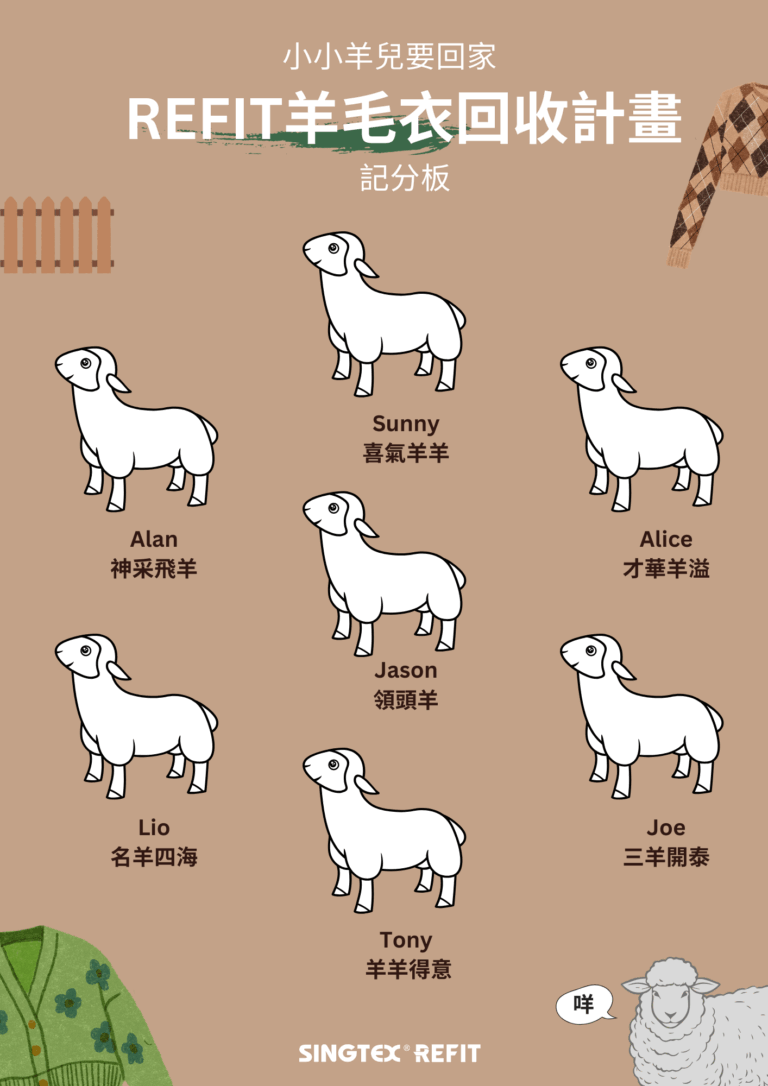
To encourage more colleagues to participate, we designed an engaging team competition that motivated everyone to clean out their wardrobes and donate unneeded wool sweaters. Over a two-month collection period, we gathered a total of 285 sweaters, weighing 81 kilograms. The team then categorized and removed additional materials from the sweaters, gaining valuable insights into the challenges of textile recycling and exploring opportunities for future improvements.
Process Exploration to Achieve Circularity
In collaboration with textile mills, we discussed yarn specifications and potential end uses for the final product, ensuring each stage of the recycling process was thoroughly documented. This effort not only provided invaluable practical experience but also laid the foundation for expanding the program’s impact.
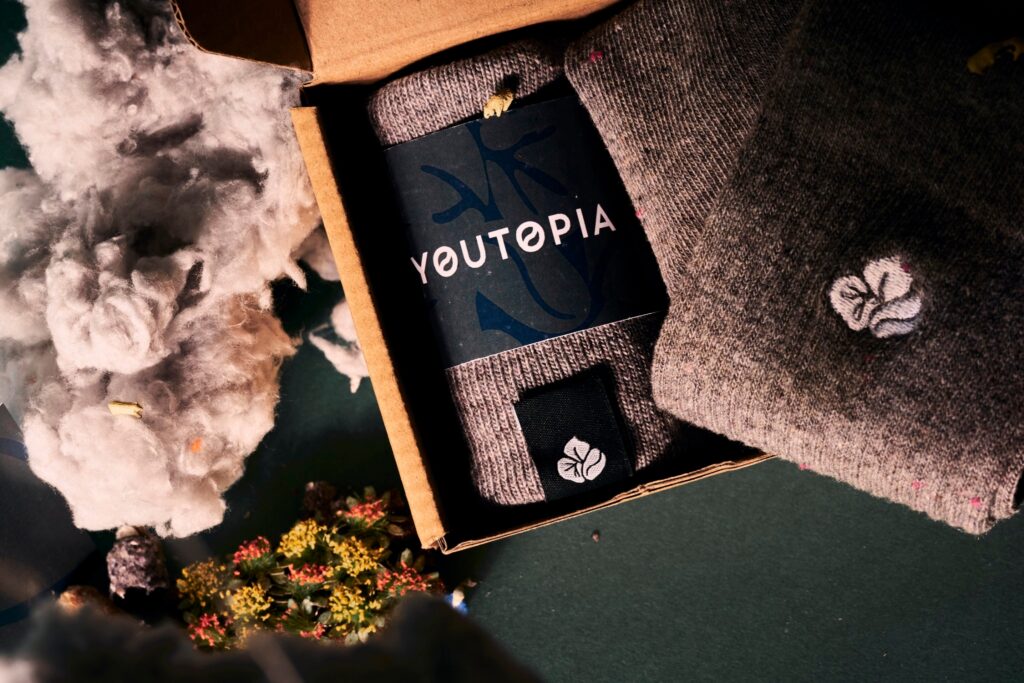
By blending old sweaters and recycled wool with SINGTEX®’s patented coffee yarn technology, we produced two sets of 1/15 and 1/24 gauge wool yarns, ultimately crafting warm coffee wool hats and wool socks. These finished products deeply moved our team, highlighting the intricate and challenging nature of textile circularity. This experience reinforced our belief that textile recycling requires interdisciplinary collaboration but also presents boundless opportunities and profound significance. We look forward to partnering with more stakeholders in the future to explore innovative ways of advancing textile recycling and sustainable development, enabling the regeneration of more resources and a brighter future for our planet.